
Introduction
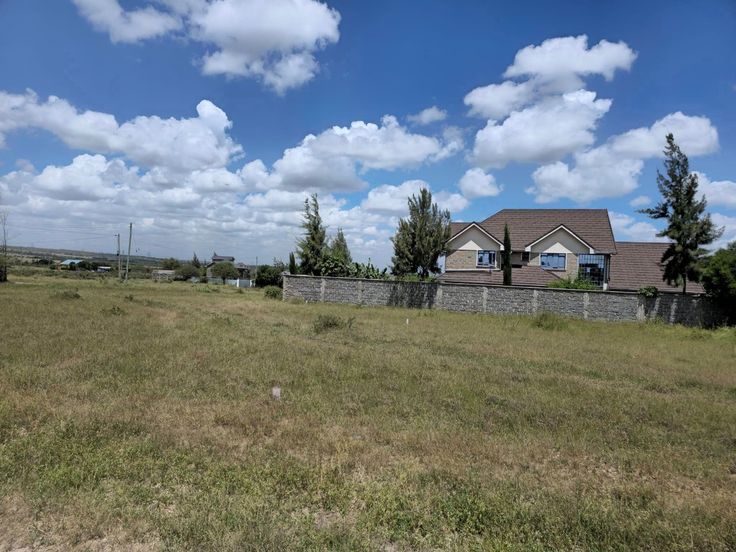
Kenya’s real estate landscape is dynamic, with new opportunities emerging constantly. While traditional investment hubs like Nairobi and Mombasa continue to attract attention, savvy investors are increasingly turning their gaze towards up-and-coming areas that promise substantial returns. This blog explores some of Kenya’s most promising real estate hotspots, offering insights into factors driving their growth and potential investment opportunities.
Key Factors Driving Real Estate Growth in Kenya
Before diving into specific locations, it’s essential to understand the broader factors influencing Kenya’s real estate market:
Infrastructure Development: Government initiatives to improve roads, railways, and airports are opening up new areas for development.
Economic Growth: A thriving economy, particularly in sectors like agriculture, technology, and tourism, fuels demand for housing and commercial spaces.
Urbanization: The increasing population shift from rural to urban areas creates opportunities for residential and commercial development.
Government Policies: Supportive policies, such as tax incentives and land reforms, can accelerate real estate growth.
Emerging Real Estate Hotspots
Athi River is rapidly evolving from a satellite town into a self-sufficient urban center. Its proximity to Nairobi and the Standard Gauge Railway has spurred industrial development, creating employment opportunities and driving residential demand. Affordable housing options and the potential for commercial growth make Athi River an attractive investment destination.
Naivasha is experiencing a resurgence due to its strategic location as a tourism and conferencing hub. The town’s agricultural potential and growing residential market offer diverse investment opportunities. With improved infrastructure and accessibility, Naivasha is poised for further growth.
Thika is undergoing rapid industrialization, transforming it into a manufacturing powerhouse. The town’s affordable housing market and improving infrastructure make it an appealing option for both residential and commercial investors. Thika’s strategic location along major transport corridors enhance its connectivity and accessibility.
Kitengela, once a peripheral town, is now experiencing rapid urbanization. Its proximity to Nairobi, coupled with affordable housing options, has attracted a growing population. The town’s potential for mixed-use developments and commercial growth makes it a promising investment prospect.
Ruaka has emerged as a technology hub, attracting a young and affluent population. The area’s mixed-use developments, strong rental demand, and potential for commercial and retail establishments make it a sought-after location for investors.
Machakos, the county’s capital, is benefiting from government initiatives aimed at decentralization and infrastructure development. The growing residential and commercial demand, coupled with affordable land prices, presents opportunities for investors to capitalize on the county’s growth trajectory.
Investment Considerations
Due Diligence: Conduct thorough research on the specific location, including infrastructure, economic activity, and population growth.
Risk Assessment: Evaluate potential risks, such as market volatility and regulatory changes.
Diversification: Consider investing in different property types and locations to spread risk.
Long-Term Perspective: Real estate investments often require a long-term outlook to maximize returns.
Conclusion
Kenya’s real estate market presents exciting opportunities for investors who can identify and capitalize on emerging hotspots. By understanding the factors driving growth and conducting thorough research, you can position yourself for success in this dynamic market.